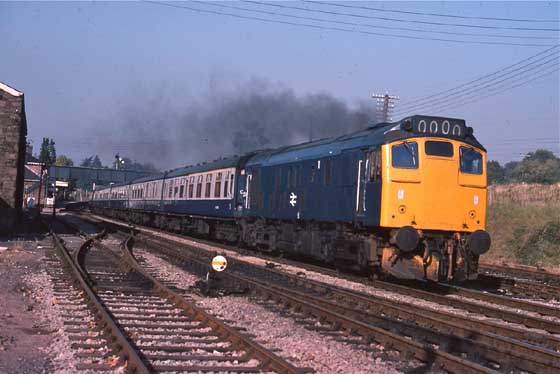
In the mid 1970s the North and West route from Newport to Crewe was in the doldrums. The route was originally developed by the LNWR and GWR as a joint line for traffic between Bristol and the South West, and South Wales to Manchester, Liverpool and the North West. The joint atmosphere was maintained after nationalisation the WR having sheds at Shrewsbury and Crewe (Gresty Lane) while LM locos regularly worked to Pontypool Road.
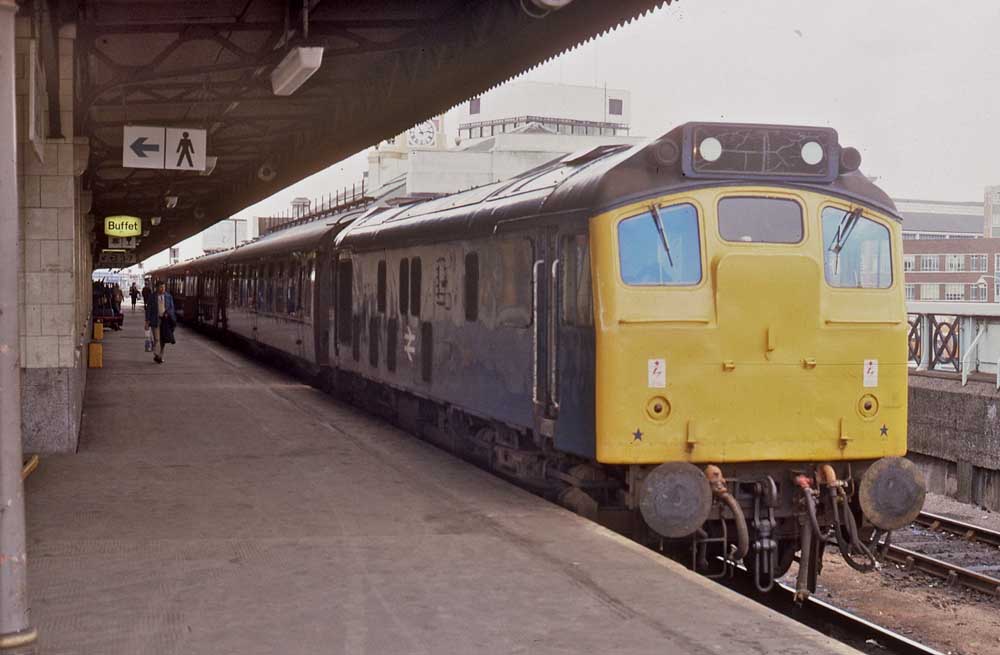
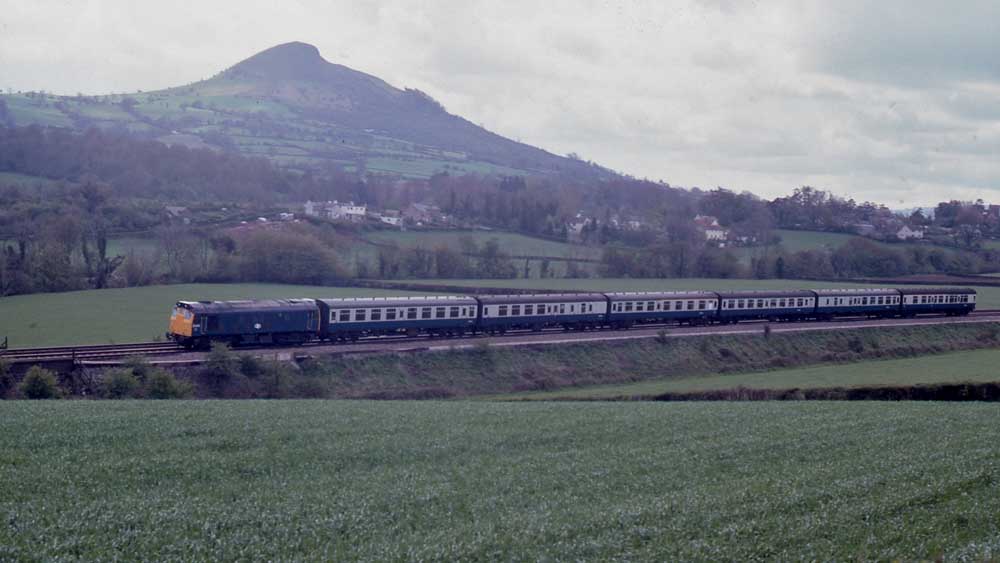
The route began at Maindee Junction a mile east of Newport (Gwent), where the triangular junction on the South Wales mainline provided direct access from Cardiff and South Wales on the west side, and Severn Tunnel Junction and Bristol on the east side. The first part of the line was the 42 mile section to Hereford skirting the eastern side of the black Mountains. After initially following the River Usk the first climb commenced just after Caerleon with 7 miles at about 1 in 100 to Pontypool Road. From here the line generally descended at similar gradients for another seven miles to Penpergwm where another seven mile climb to the summit at Llanvihangel began, initially at about 1 in 150, steepening for the final four miles after Abergavenny to 1 in 82 and 1 in 95. Once over the summit at Llanvihangel the line descended at about 1 in 150 for seven miles then levelling a little before the final descent into Hereford.
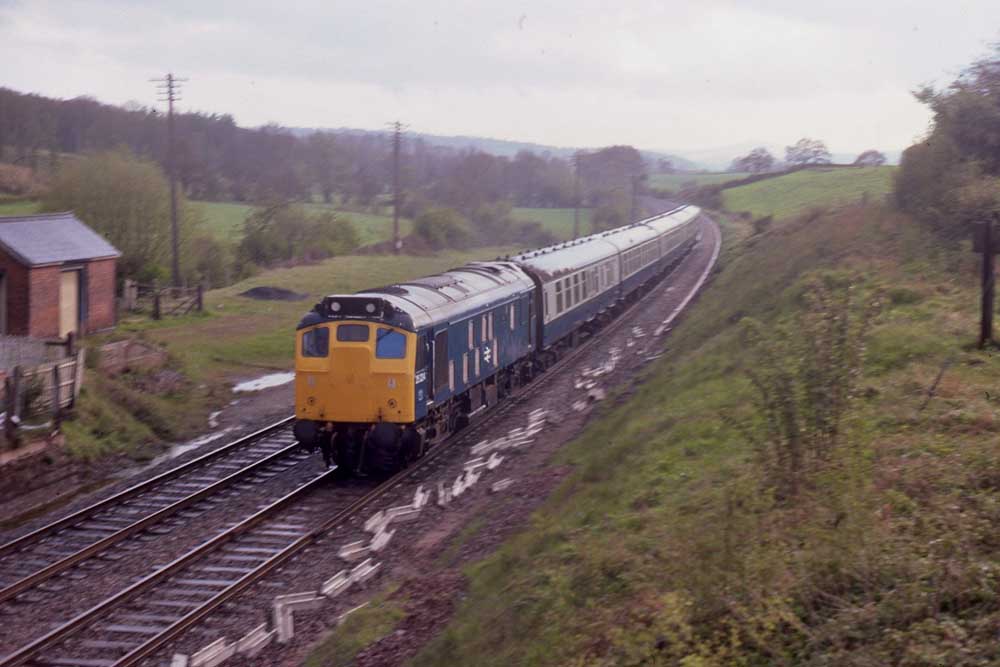

After Hereford the line continued through the attractive small towns of the Welsh Marches for the 51 miles to Shrewsbury. The first 38 miles from Hereford to Church Stretton were virtually all uphill. The gradients were generally slight at first, but after Craven Arms the final seven miles were at about 1 in 120. From Church Stretton the final 13 miles to Shrewsbury were all downhill; fine if northbound but a slog for heavy southbound trains with spells at 1 in 90 and 1 in 100.


After Shrewsbury came the 33 mile section to Crewe across the Cheshire Plain. Even here there were some steady climbs, the line descending from Whitchurch to Nantwich for 8 miles with gradients as steep as 1 in 97.
Until the early 1960s trains such as the Penzance – Liverpool saw Newton Abbot and Shrewsbury crews working GW Castles between these location on double home turns. The early 1960s also saw GW Kings occasionally working the Cardiff expresses. Diesels arrived in the summer of 1962 when WR warships began working through to Crewe. In the summer of 1964 LM Brush Type 4s took over, handing over to WR hydraulics at Newport or Bristol. During the 1960s TPOs and sleepers were also conveyed on the expresses. A full range of local passenger, parcels and freight was also conveyed.
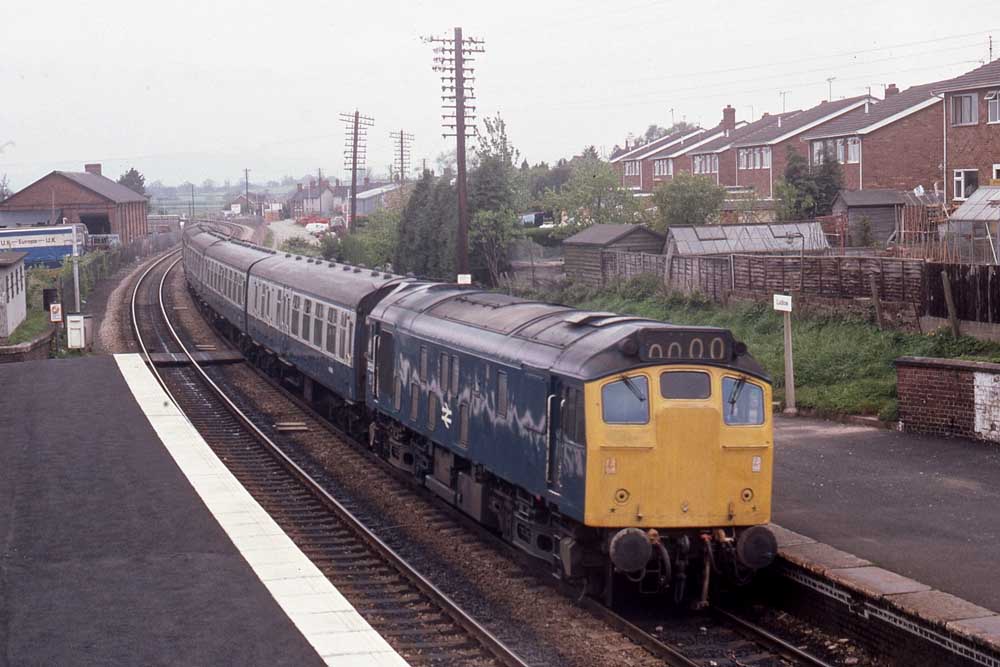
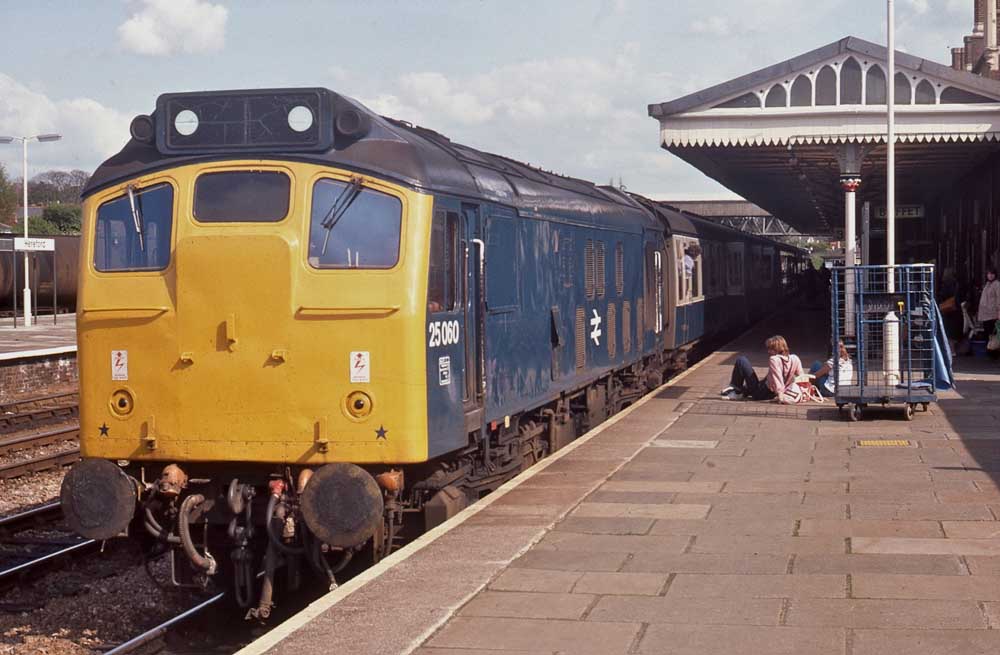
The Beeching Era saw many of the wayside stations close with Hereford in particular losing a lot of local traffic. The real blow came at the end of the 1960s when all inter-regional expresses were transferred to run via Birmingham New St. These were replaced by six Cardiff – Crewe trains in each direction. One of the southbound services ran overnight, departing from Crewe at 01:45. These services were formed of Cross-Country DMUs, some initially operating with mini buffets. With up to 16 intermediate stops the 139 miles took between three and a quarter and three and a half hours. Summer Saturdays still saw expresses when four South West holiday trains used the route in each direction, two of the southbound trains running overnight. By the late 1970s this had fallen back to two trains in each direction as holiday traffic declined.
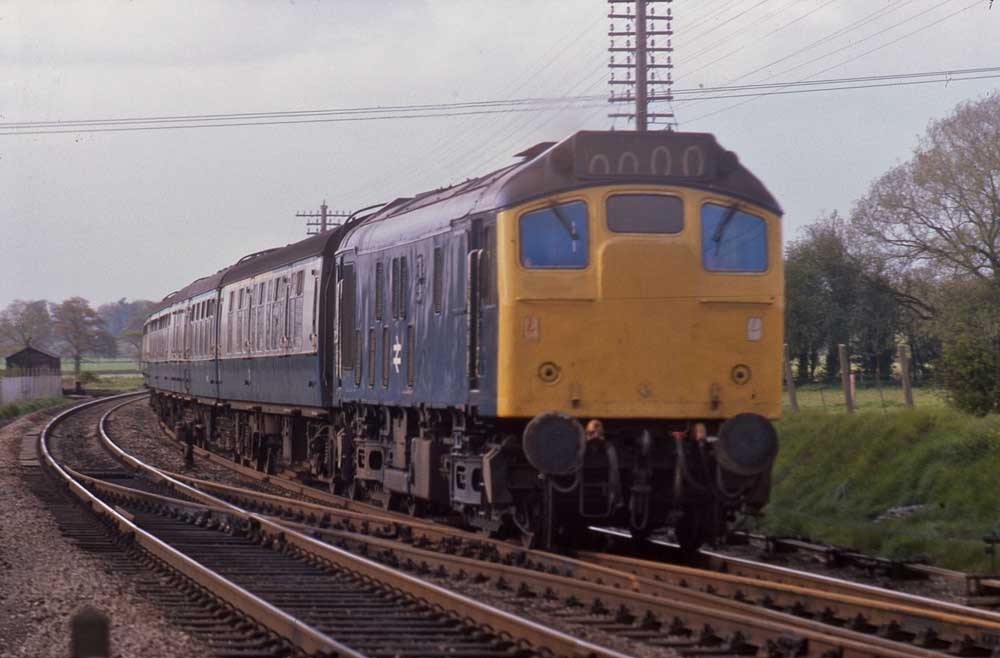
Things began to look up towards the end of 1976 when the Western Region started to replace some of their DMU services with locomotive hauled stock. Class 31s took over the Cardiff – Portsmouth services, while from November 22nd 1976 the Cardiff – Crewe services were Class 25s with six Mk1s. On Mondays to Saturdays there were three diagrams each covering two return trips. On Sundays there were just two trains in each direction requiring two locomotives each performing a round trip.
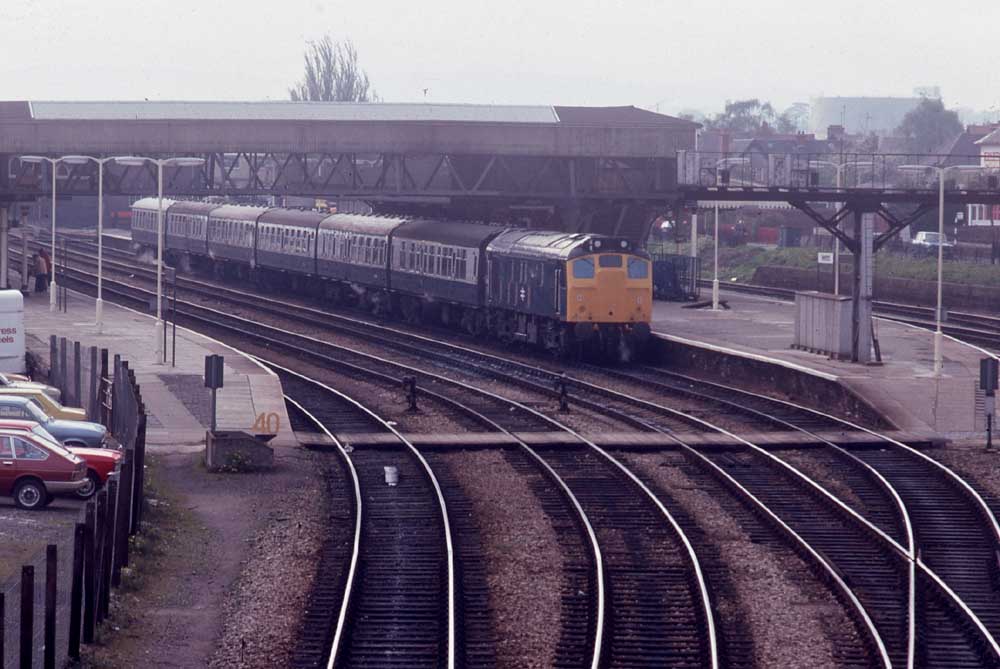

The diagrams are set out below, the train times tending to alter by a few minutes with each new timetable.
Monday - Saturday
07:54 Crewe – Cardiff
11:50 Cardiff – Crewe
16:02 Crewe – Cardiff
20:00 Cardiff – Crewe
05:35 Cardiff – Crewe
10:00 Crewe – Cardiff
15:10 Cardiff – Crewe
19:28 Crewe – Cardiff
01:45 Crewe – Cardiff
07:50 Cardiff – Crewe
12:25 Crewe – Cardiff
17:10 Cardiff – Crewe
Sundays
14:15 Cardiff – Crewe
18:17 Crewe – Cardiff
13:45 Crewe – Cardiff
18:50 Cardiff - Crewe
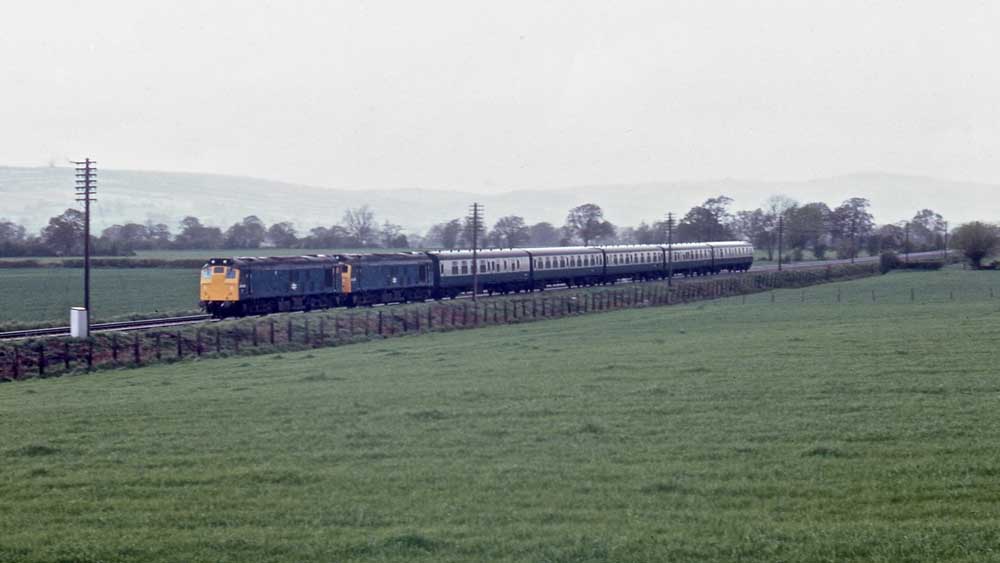
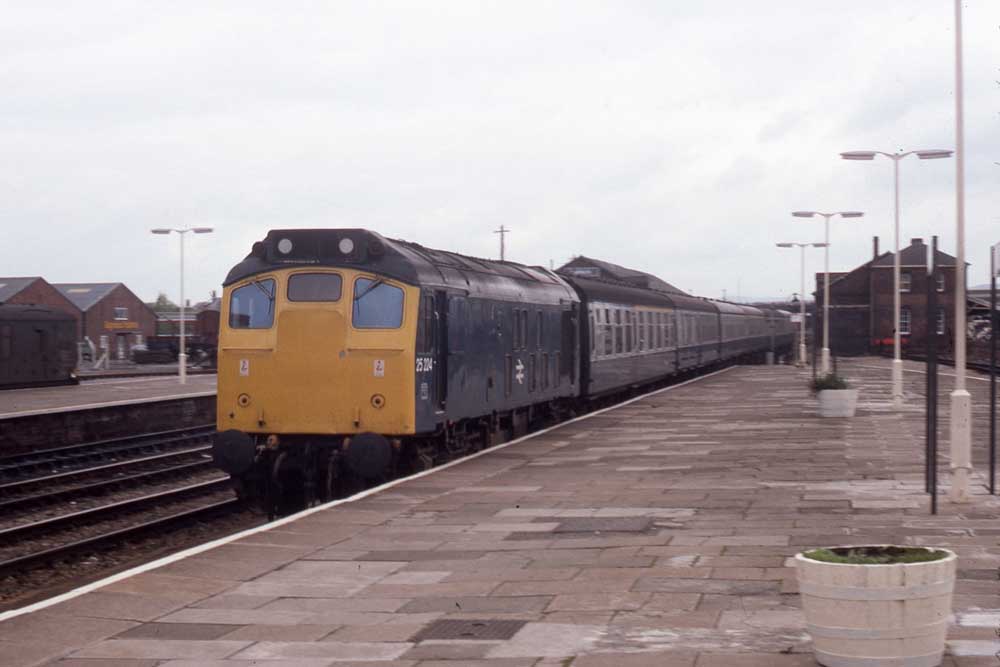
The diagrammed locomotives were Crewe based, with steam heat boilers in the winter months. Inevitably members of the class found their way onto these services. The most detailed records are available on the BR Class 25 Locomotive Passenger Working website (www.class25.info/index.htm). This records over 800 workings between 1976 and 1986 with 117 different members of the class.
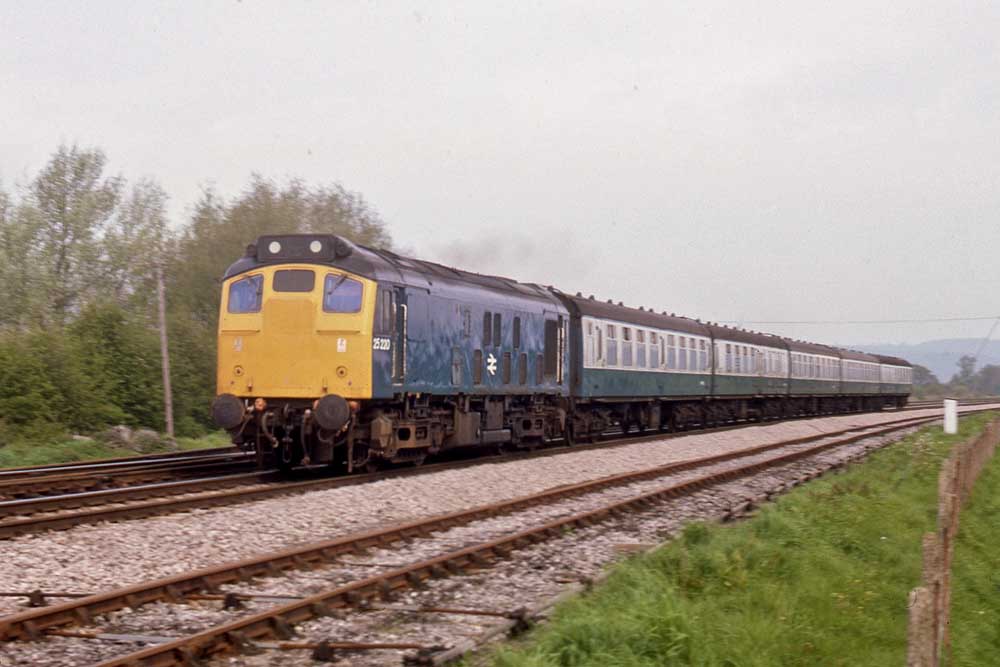

My personal experience of these workings was mainly when I lived in Exeter and cheap tickets were introduced on Saturdays during the winter months to fill up the inter-regional and Waterloo trains. Each week one of four different groups of destinations was available, one group included Crewe. The day would start on the 06:25 Plymouth – Liverpool (depart Exeter 07:30) that arrived at Crewe in time for the 12:25 departure. Crewe to Exeter via Hereford and Newport was still considered a legitimate route and we would catch the 12:25 to Nantwich or Shrewsbury for a three hour lunch in the pub. Suitably refreshed we would continue to Newport on the 16:00 Crewe, rattling down through the Welsh Marches in the twilight, with the steam heating hissing gently away. At Newport we would catch an HST to Bristol Parkway or Temple Meads for the final leg home the 21:20 Bristol – Plymouth. This was normally a Laira class 46 and consisted of about four coaches and a number of parcels vans. Lengthy station stops were allowed although there was little traffic on a Saturday evening before arriving back in Exeter at about 23:20. In May 1981 when my wife was expecting our first child I suggested that we should have a quiet week in Hereford. This provided an opportunity to get some final photographs before the Class 33s took over.

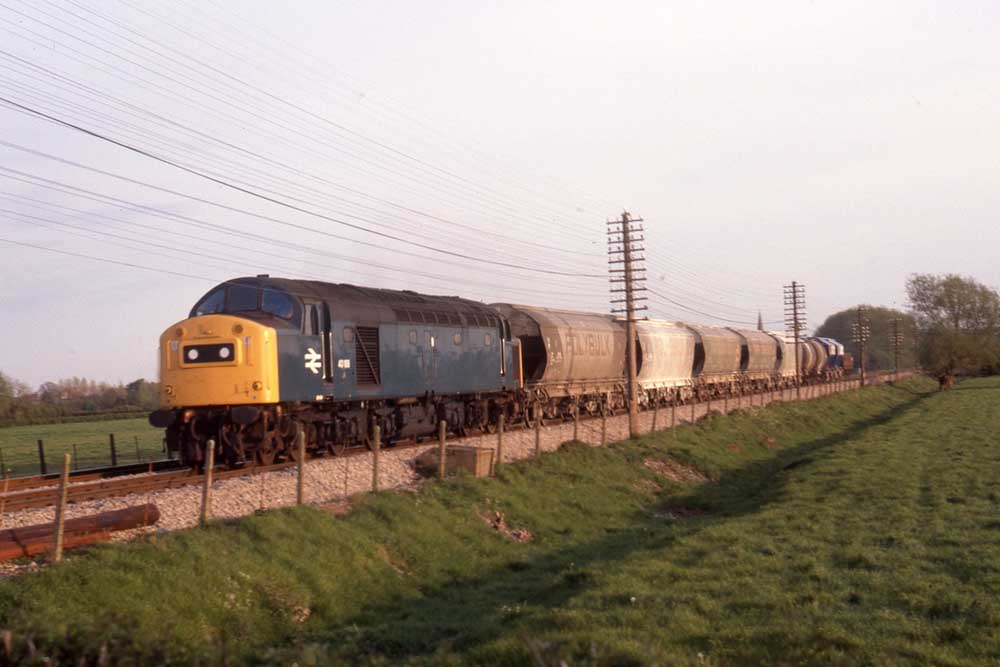
In addition to working the Cardiff – Crewe’s the Class 25s also took a share of the freight traffic along with Classes 40, 46, 47 that operated over the route at this time. (My recollection is that Class 37s rarely worked beyond Hereford until the mid 1980s). A regular Class 25 turn during the 1970s was the afternoon Manchester – Bristol/Cardiff parcels, although from about 1980 this was normally a Class 47/4.
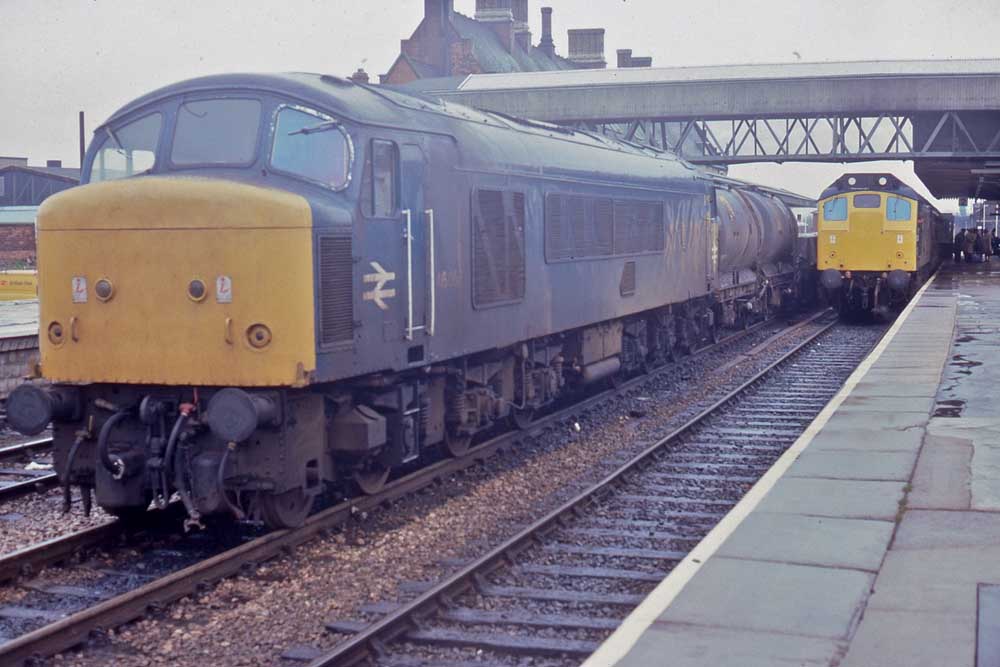
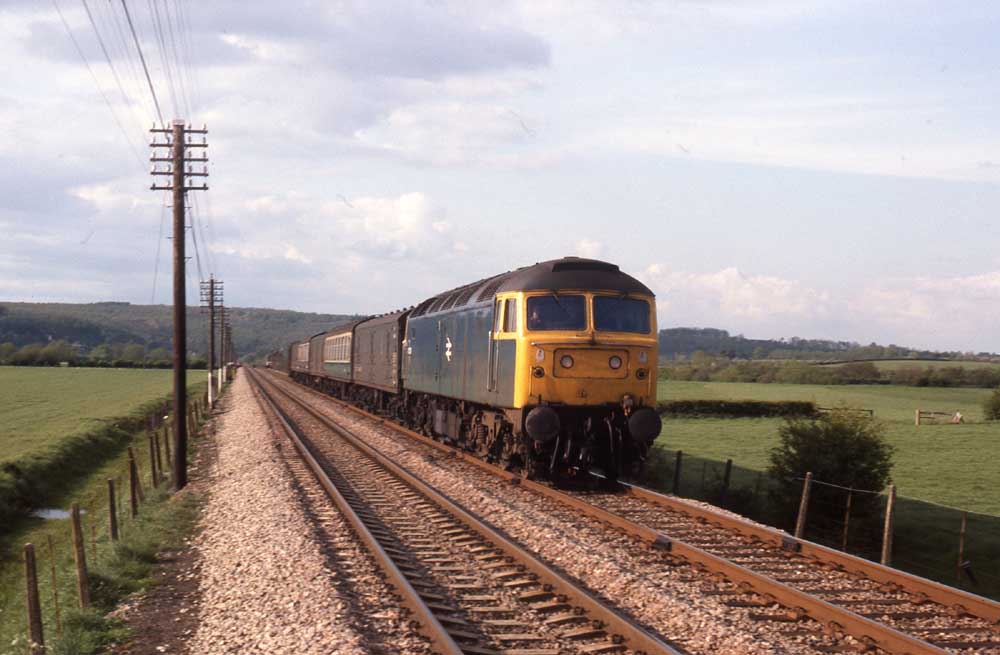
The demise of the Class 25s on this route started in 1981 with the arrival of 33031 at Crewe for crew training. BR policy was to replace steam with electric heating and remove the need for second men. The Portsmouth – Cardiff’s had already gone over to eth fitted class 31/4s although they had a tendency to overheat. By 1981 the introduction of HSTs on the Western Region was making Class 50s surplus, and from May they replaced the Class 33s on the Exeter – Waterloo route. The additional power of the Class 50s produced an acceleration in point to point timings, but not reliability.
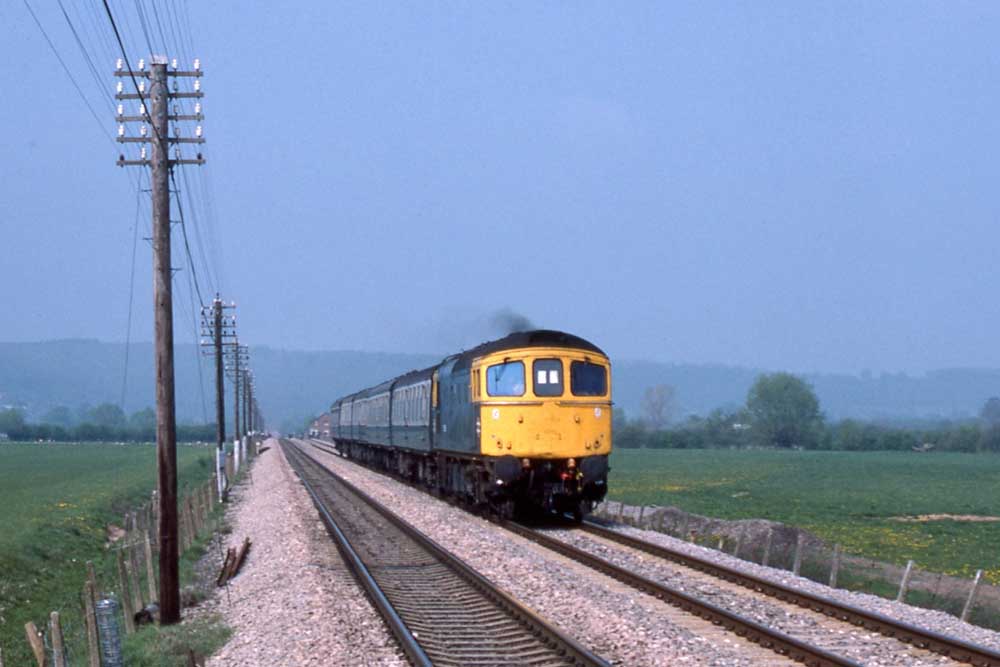

By 1981 the Class 33s were 20 years old with a strong reputation for reliability. Compared to other BR diesels they had led quite an insular life, rarely straying beyond 100 miles of their home depots (Exeter was 114 miles from Eastleigh). From June 1981 three day cyclic diagrams were introduced for Eastleigh allocated locomotives. Starting initially on Portsmouth –Bristol- Cardiff services they would also take in workings from Bristol to Plymouth, Cardiff – Swansea –West Wales and Cardiff – Crewe. Whilst on the Cardiff – Crewe workings they occasionally worked through to Manchester and also had a regular diagram to Bangor returning with a Bangor – Cardiff working.
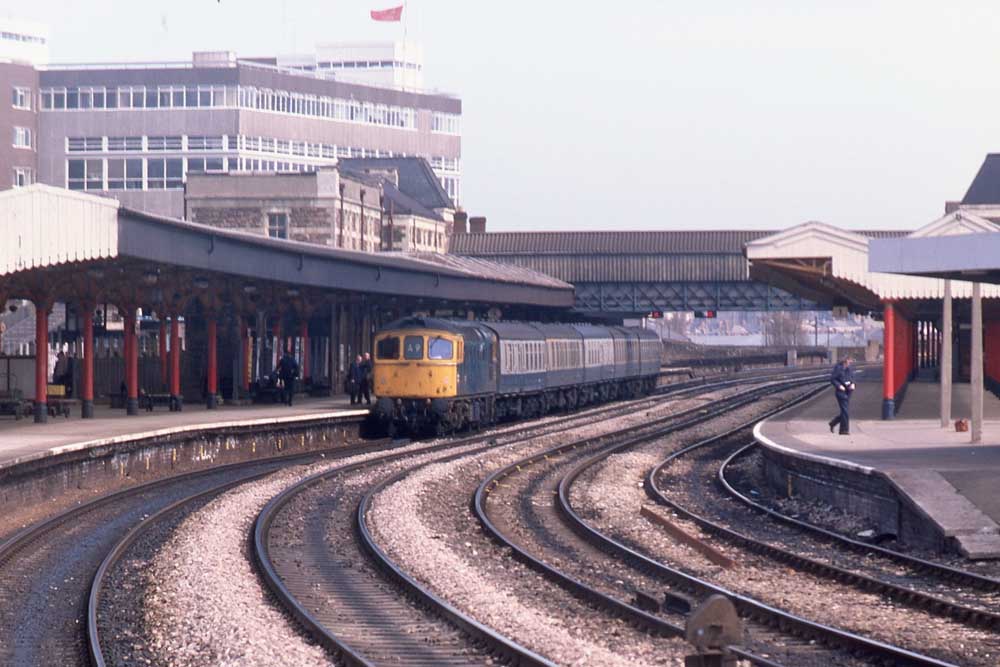
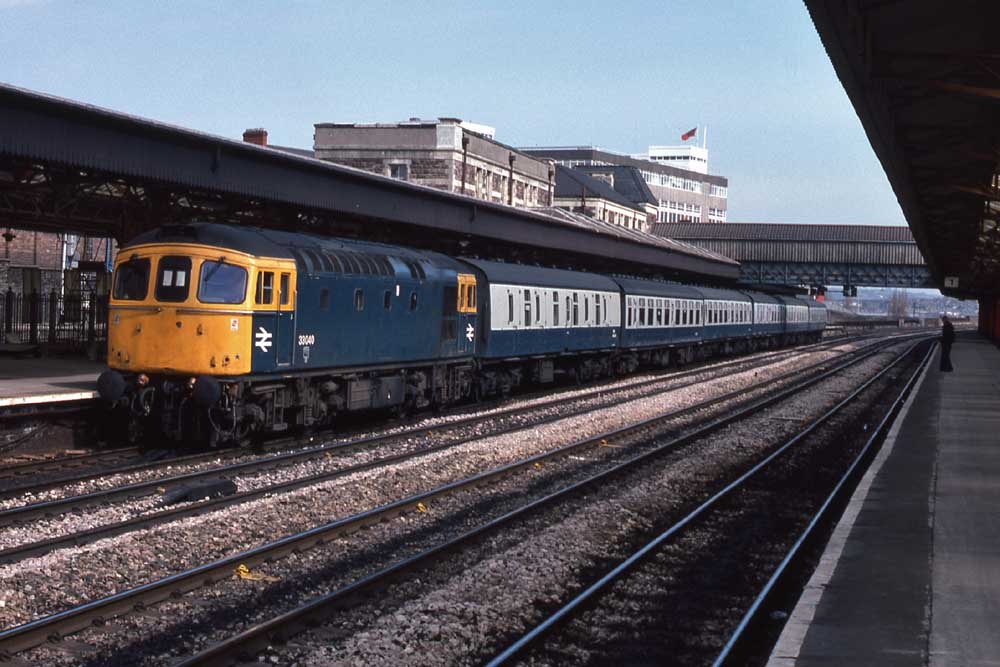
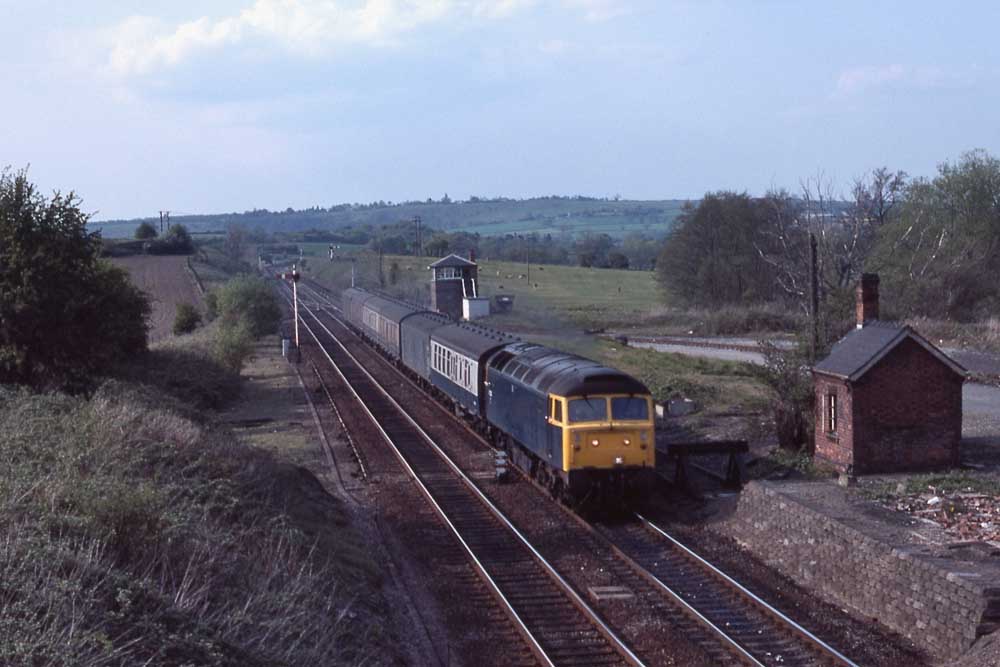
The Class 33s operated on the Cardiff - Crewe route until September 1986, during their final year the diagrams included turns to Holyhead and Llandudno Junction. However, the Class 25s continued to deputise covering for Class 33 failures and unavailability. Further details are on the BR Class 25 Locomotive Passenger Working website.
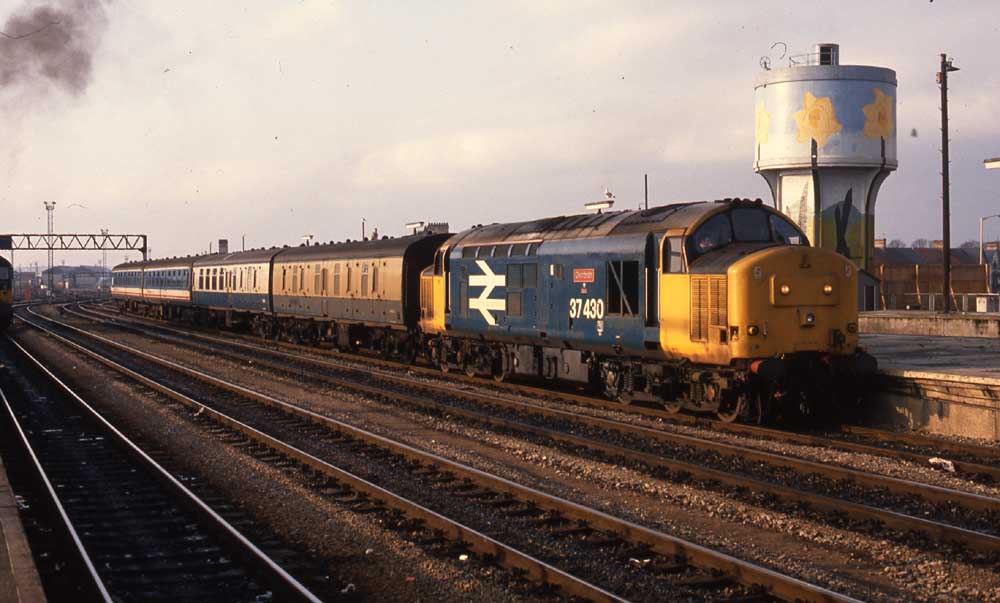
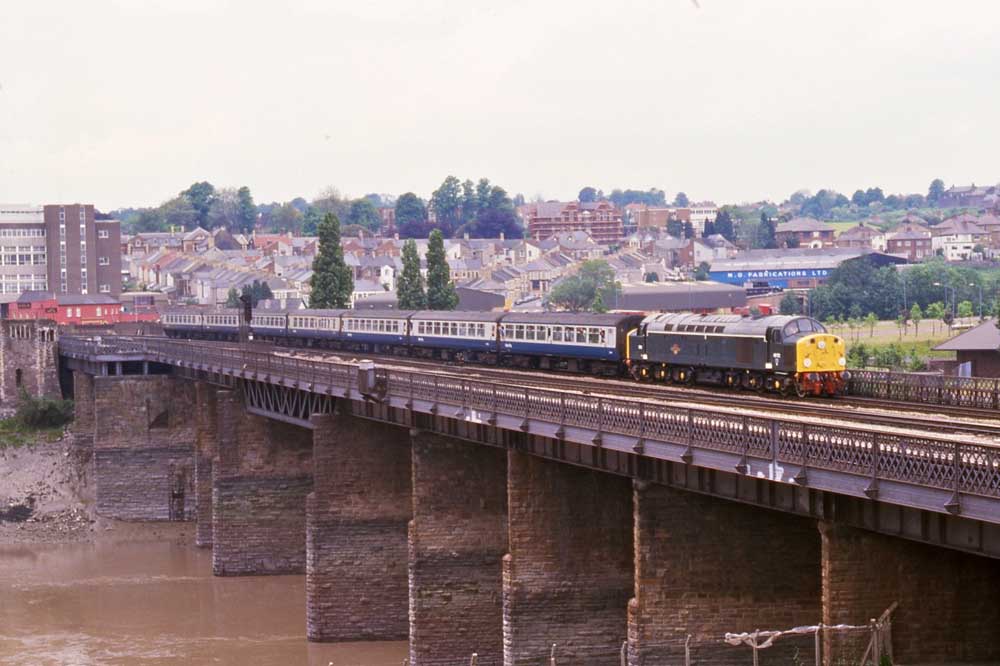
After the demise of the Class 33s in 1986 the Cardiff – Crewe services continued to be locomotive hauled by Class 37/4s and Class 47s until Class 156 DMUs arrived in about 1990. Some of the most interesting workings occurred in May 1987 when for a few weeks BR’s last class 40 40122 often worked the 05:14 Holyhead – Cardiff returning on the 13:00 Cardiff - Crewe . Today (January 2012) the North & West route is operated by Arriva Wales with at least an hourly service from Manchester or North Wales using Class 170 units. A daily loco hauled service, sponsored by the Welsh Assembly, operates from Holyhead to Cardiff hauled (at the time of writing- January 2012) by a class 57/3.

Page added January 29th 2012